Reduce Electricity Bills with Solar Panels: Take Control of Rising UK Energy Costs
Electricity prices remain a major concern for UK households. And while governments, regulators and energy suppliers debate how to bring bills down, homeowners are increasingly asking a much more practical question:
What can I do to reduce my own electricity costs?
One increasingly attractive answer is to reduce electricity bills with solar panels.
A recent BBC report highlighted why electricity remains comparatively expensive in the UK, pointing to the influence of wholesale gas prices, the way electricity is priced and the considerable investment required to upgrade Britain’s electricity network.
For homeowners, the message is simple: energy prices are influenced by factors far beyond your control.
But the amount of electricity you need to buy from the grid doesn’t have to be.
Why Are UK Electricity Prices Still So High?
Britain has dramatically increased the amount of renewable energy on its electricity system, yet gas can still have a major influence over wholesale electricity prices.
That is because electricity is commonly priced according to the most expensive generation needed to meet demand. Gas-fired power stations are often that final source of generation.
So, even when cheaper renewable electricity is available, movements in international gas markets can still feed through into electricity costs.
Ofgem has also pointed out that wholesale energy costs make up a significant part of household energy bills, while electricity customers also contribute towards maintaining and upgrading the networks that transport power around the country.
That creates a difficult situation for households: you can use less energy, shop around for tariffs and wait for prices to change — but you still remain dependent on the grid.
There is another option.
Reduce Electricity Bills with Solar Panels
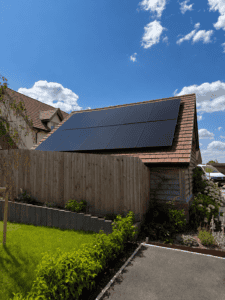
Installing solar panels gives you the ability to generate electricity directly from your own roof.
Instead of purchasing every kilowatt-hour you use from an electricity supplier, your solar PV system can generate power during daylight hours for your home to use.
That means less electricity needs to be imported from the grid.
And when electricity prices rise, every unit of solar electricity you can use yourself becomes potentially more valuable.
Solar doesn’t make your home completely immune to changes in energy prices, and savings will vary depending on your property, electricity usage, system size and tariff.
What solar can do is reduce your exposure to those prices.
Solar Panels UK: More Control Over Your Energy
There are many reasons homeowners consider solar panels in the UK, but greater control over energy costs is becoming one of the most important.
A well-designed solar PV system can allow you to:
- Generate renewable electricity at home
- Reduce the amount of electricity purchased from the grid
- Use solar power to run appliances during daylight hours
- Potentially export unused electricity back to the grid
- Combine solar panels with battery storage
- Store surplus solar electricity for use later in the day
- Reduce exposure to future electricity price rises
For households looking at the bigger picture, solar can turn a previously passive expense into something you have more influence over.
What About the Government’s Electricity VAT Cut?
The government has announced that VAT on domestic electricity bills will fall from 5% to zero from 1 October 2026, with the government estimating the measure could remove around £45 from the yearly Ofgem price cap.
Any reduction in household bills is welcome.
But it doesn’t remove the underlying reasons electricity prices fluctuate.
Wholesale markets can change. Gas prices can change. Network costs can change. Government policy can change.
Once installed, however, solar panels give your household its own source of electricity generation.
That’s why homeowners looking to reduce electricity bills with solar panels are thinking beyond the next price-cap announcement.
They’re thinking about the next 10, 15 or 20 years.
Add Battery Storage and Use More of Your Solar Power
Solar panels generate most of their electricity during daylight hours.
But many homes use large amounts of electricity in the morning and evening.
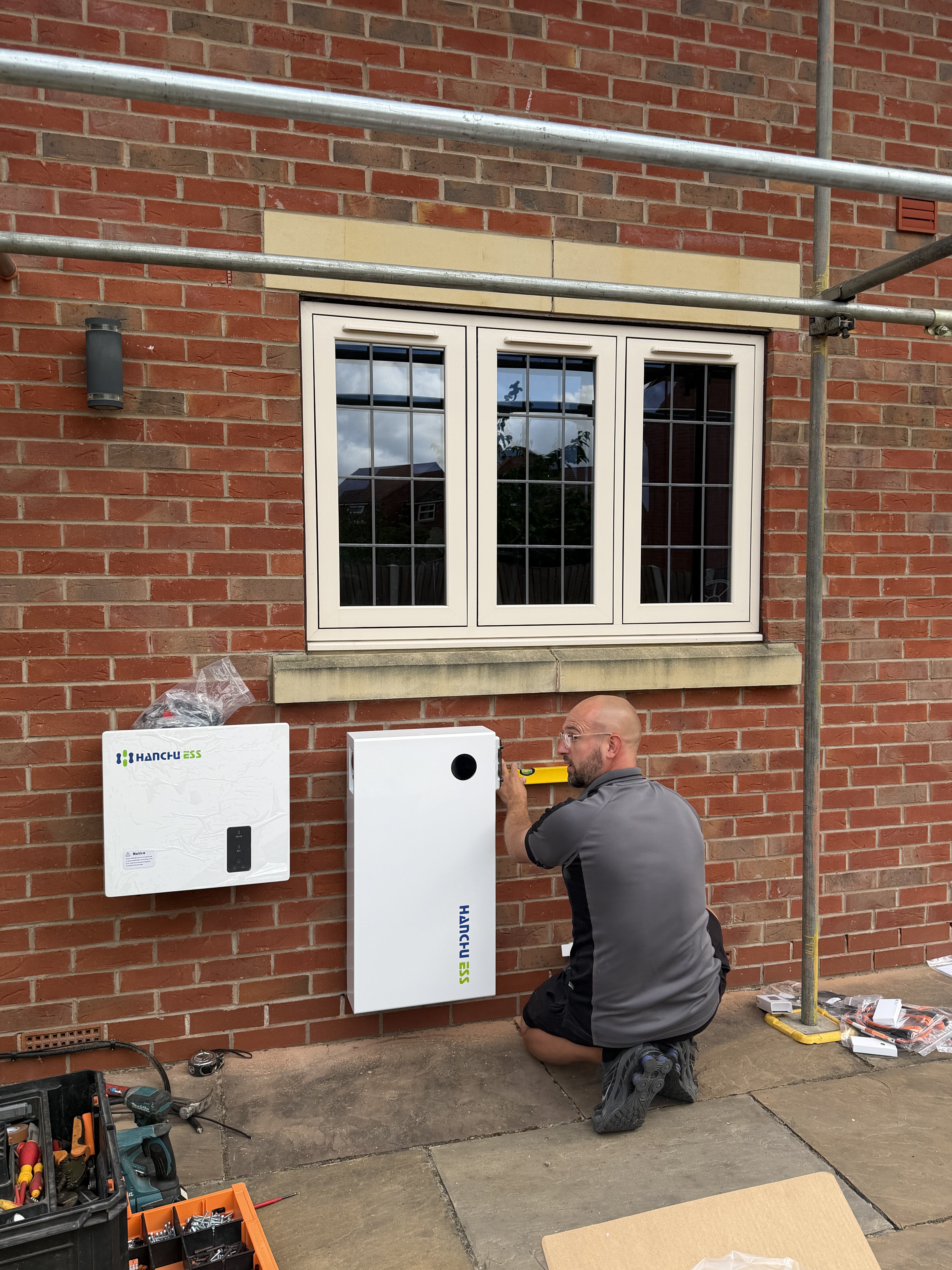
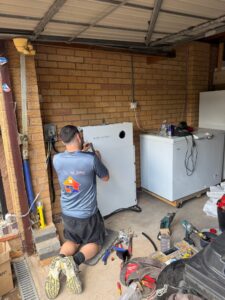
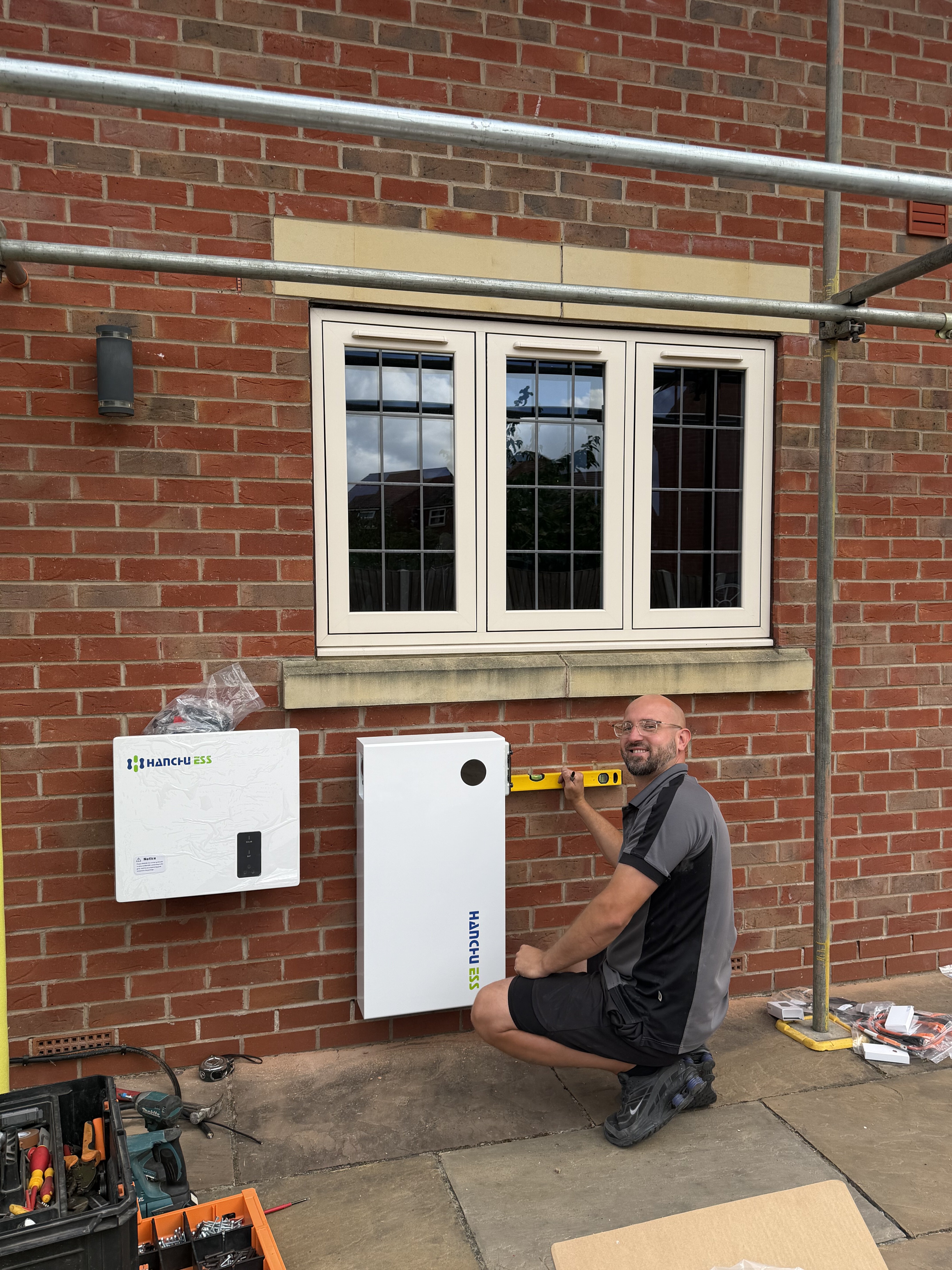
This is where battery storage can make a solar installation even more useful.
Rather than automatically exporting surplus electricity when your panels are producing more than your home requires, a compatible battery can store that energy.
You can then use the stored electricity later when your panels are generating less or nothing at all.
For the right household, combining solar panels and battery storage can increase the amount of home-generated electricity that is actually used within the property.
Your ideal setup will depend on your individual electricity consumption, roof, solar generation potential and tariff, so proper system design is essential.
Will Solar Panels Completely Eliminate My Electricity Bill?
Usually, no — and you should be wary of anyone promising that they will.
Most grid-connected homes will continue to import some electricity, particularly during winter, overnight or during periods when consumption is greater than solar generation.
There may also still be standing charges associated with your electricity supply.
The objective isn’t necessarily to eliminate the electricity bill altogether.
It’s to reduce how dependent you are on buying electricity from the grid.
Over years of ownership, that distinction can become increasingly important.
Why Rising Energy Prices Strengthen the Case for Solar
The BBC’s analysis of UK electricity prices demonstrates just how many factors influence the amount households ultimately pay for power.
International gas markets.
Electricity market pricing.
Infrastructure investment.
Government policy.
Geopolitical events.
These are enormous forces that an individual homeowner cannot control.
Your roof, however, is something you can do something with.
Installing solar transforms unused roof space into an electricity-generating asset.
Rather than simply hoping energy becomes cheaper, you can take practical steps to reduce how much electricity your household needs to purchase.
Is Your Home Suitable for Solar Panels?
Every property is different, so a solar installation should be designed around the home rather than sold as a one-size-fits-all package.
Factors worth assessing include:
- Roof size and orientation
- Shading
- Annual electricity consumption
- When electricity is used during the day
- Available installation space
- Whether battery storage would be beneficial
- Current and future electricity needs
- Electric vehicle or heat-pump plans
A properly designed system should take these factors into account before recommendations are made.
Want to Reduce Electricity Bills with Solar Panels?
UK electricity prices will continue to be influenced by national and international energy markets.
You don’t have to simply accept complete dependence on them.
Solar panels give homeowners an opportunity to generate more of their own electricity, buy less power from the grid and take greater control of long-term household energy costs.
If you’ve been considering solar, now is a good time to find out what your property could generate.
Get in touch today for a no-obligation solar assessment and discover whether solar panels and battery storage could work for your home.
FOLLOW US ON SOCIAL MEDIA TO STAY IN SPIRED.
Choosing the right partner matters. At Future Proof Solar, we’re more than just another solar panel installer, we’re your long-term energy partner here to design, install, and support your system for years to come.
Stay in the loop! Follow us on social media for updates, tips, project highlights, and everything solar. Let’s build a brighter future together.
Or feel free to explore Our Works page, where you’ll find our most recent projects, valuable insights, and a steady stream of daily inspiration— To keep you fully informed, consistently engaged, and deeply motivated every step of the way.