UK Solar Installations 2026: Solar Power Reaches a 14-Year High
UK solar installations in 2026 are making headlines, with new government figures revealing a remarkable milestone for renewable energy. A total of 291,000 new solar photovoltaic (PV) installations were recorded across the UK in the 12 months to August 2026 — the highest number for any 12-month period since 2012.
With electricity costs remaining a concern for households and businesses, the growing interest in solar energy highlights a shift towards generating cleaner, more affordable electricity.
But what is driving this growth, and what does it mean for people considering solar panels?
UK Solar Installations 2026: The Numbers Behind the Record
According to figures from the Department for Energy Security and Net Zero (DESNZ), published on 29 September 2026, solar adoption across the UK continues to grow.
The latest provisional statistics reveal:
- 291,000 new solar installations in the 12 months to August 2026.
- 24,154 installations completed in August 2026 alone.
- 23.2 gigawatts (GW) of total installed UK solar capacity.
- Over 2.13 million solar installations nationwide.
- UK solar installations 2026 (August to August 2027) more than 195,000 homes added solar in this 12-month period.
Total installed solar capacity also increased by approximately 9% compared with August 2025, adding around 1.9 GW.
These figures show that solar energy is becoming an increasingly established part of the UK’s electricity system, from individual rooftops to large-scale solar farms.
Why Are More UK Homeowners Choosing Solar Panels?
The rise in UK solar installations in 2026 reflects growing interest in energy independence, long-term savings and renewable electricity.
There are several reasons why homeowners may be considering making the switch.
1. Reducing electricity bills
One of the biggest attractions of solar panels is the opportunity to generate electricity directly from sunlight.
By using electricity produced on their own roof, homeowners can reduce the amount of energy they need to purchase from the grid.
Actual savings depend on factors such as system size, roof orientation, electricity consumption and how much solar energy is used within the home.
2. Greater protection from energy price changes
Electricity prices can fluctuate, making it difficult for households to predict their long-term energy expenditure.
Solar panels can provide some protection against future price increases by reducing reliance on purchased electricity.
Although solar panels won’t completely eliminate household energy bills, they can help provide greater control over electricity costs.
3. Growing interest in battery storage
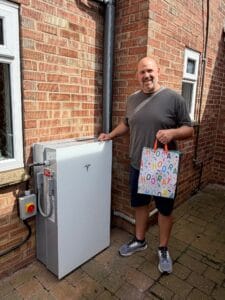
Solar panels and battery storage can work together to help households make better use of the electricity they generate.
A solar battery can store excess electricity produced during daylight hours for use later in the day, including during the evening when household demand is often higher.
While a battery involves additional upfront investment, it may improve solar self-consumption for some properties.
4. Supporting a cleaner energy future
Solar energy generates electricity without producing direct emissions during operation.
For environmentally conscious households and businesses, installing solar panels offers a practical opportunity to reduce reliance on fossil-fuel-generated electricity.
Rooftop Solar Is Playing a Major Role
One particularly encouraging aspect of the latest solar statistics is the contribution of residential properties.
In August 2026 alone, 17,285 new solar installations were recorded on residential buildings, adding approximately 98 MW of generating capacity.
When assessing all UK solar installations 2026 – across the 12 months to August, more than 1 GW of domestic solar capacity was installed on over 195,000 homes.
This demonstrates that Britain’s solar growth isn’t just about large solar farms. Individual households are making a significant contribution too.
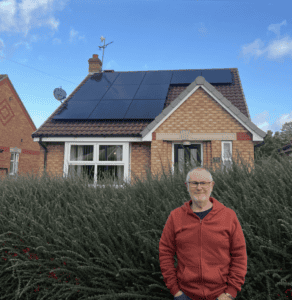
From detached properties to commercial buildings, suitable rooftops offer valuable opportunities to generate renewable electricity using existing spaces.
What Does the Solar Boom Mean for UK Businesses?
The growth in UK solar installations 2026 also represents an important opportunity for businesses looking to manage their operating costs.
Commercial solar systems can help businesses:
- Reduce the amount of electricity purchased from the grid.
- Improve long-term energy cost predictability.
- Make productive use of suitable roof space.
- Support environmental and sustainability objectives.
- Explore the potential benefits of battery storage.
Businesses with high daytime electricity consumption may be particularly well suited to solar, as they can use a greater proportion of the electricity generated during working hours.
However, the financial benefits of commercial solar depend on the property’s suitability, installation costs, electricity usage and available commercial arrangements.
Is 2026 a Good Time to Invest in Solar Panels?
With UK solar installations reaching their highest rolling annual total in 14 years, interest in solar technology is clearly strong.
However, deciding whether to install solar panels should be based on your own property and energy requirements rather than national installation trends alone.
Before investing, consider:
- Roof suitability: Is your roof in good condition, with suitable orientation and limited shading?
- Electricity usage: How much energy do you consume, and when do you use it?
- System size: What solar capacity would best suit your household or business?
- Battery storage: Would storing excess electricity be worthwhile?
- Installation quality: Is your chosen installer appropriately accredited and experienced?
A professional assessment can help establish potential electricity generation, expected savings, installation costs and estimated payback.
The Future of Solar Energy in the UK
The record UK solar installation figures are an encouraging sign for the future of renewable energy.
With advances in solar technology, increasing interest in battery storage and continued investment in clean energy infrastructure, solar is likely to remain an important part of Britain’s energy transition.
Challenges still exist, including grid capacity, planning requirements and affordability. Nevertheless, the latest installation figures demonstrate substantial ongoing demand.
For homeowners and businesses, solar is increasingly becoming an option worth seriously considering rather than a technology reserved for the future.
FOLLOW US ON SOCIAL MEDIA TO STAY IN SPIRED.
Choosing the right partner matters. At Future Proof Solar, we’re more than just another solar panel installer, we’re your long-term energy partner here to design, install, and support your system for years to come.
Stay in the loop! Follow us on social media for updates, tips, project highlights, and everything solar. Let’s build a brighter future together.
Or feel free to explore Our Works page, where you’ll find our most recent projects, valuable insights, and a steady stream of daily inspiration— To keep you fully informed, consistently engaged, and deeply motivated every step of the way.